
This is custom heading element
Leadership³ Paradigm: Three Core Dimensions
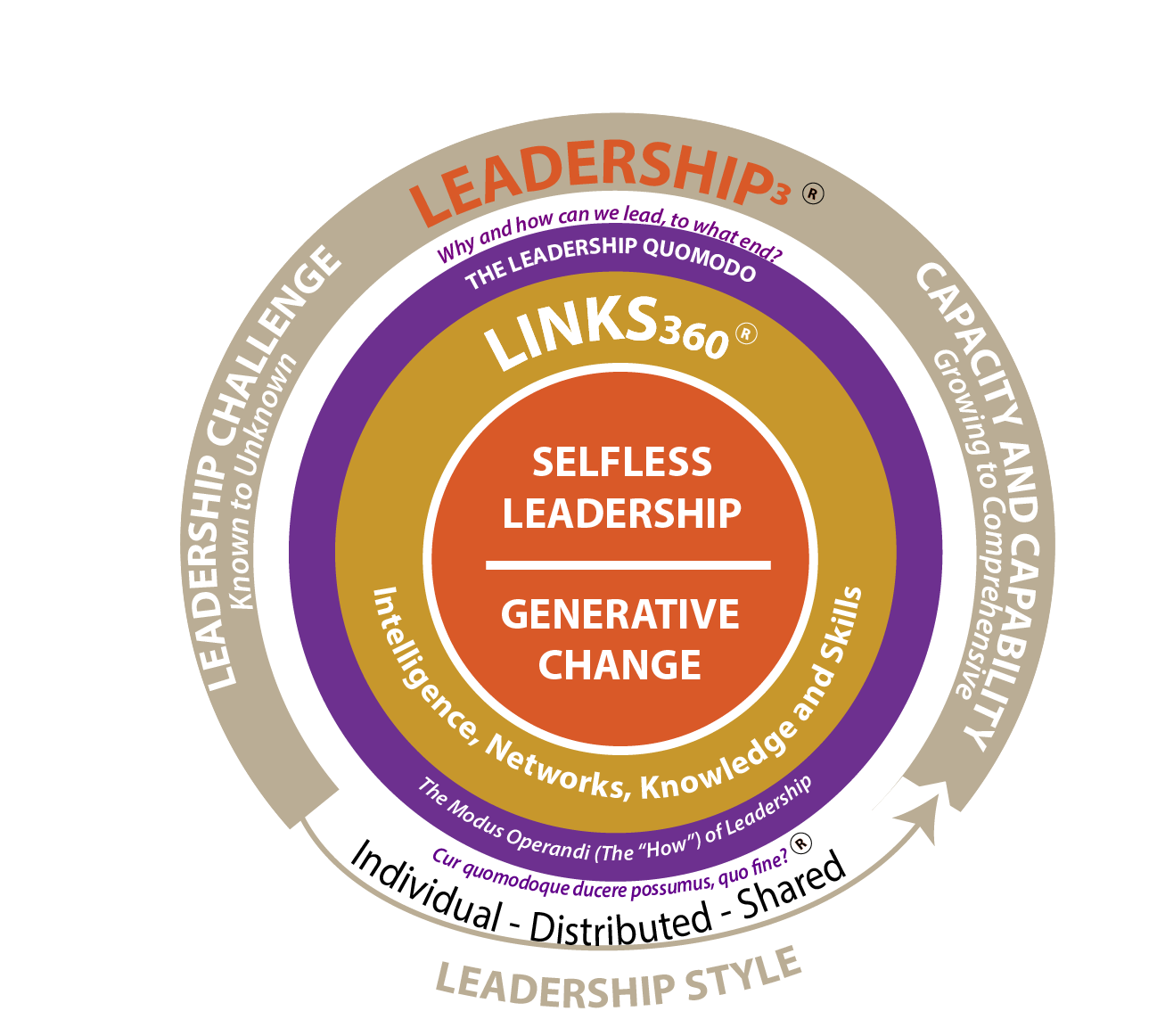
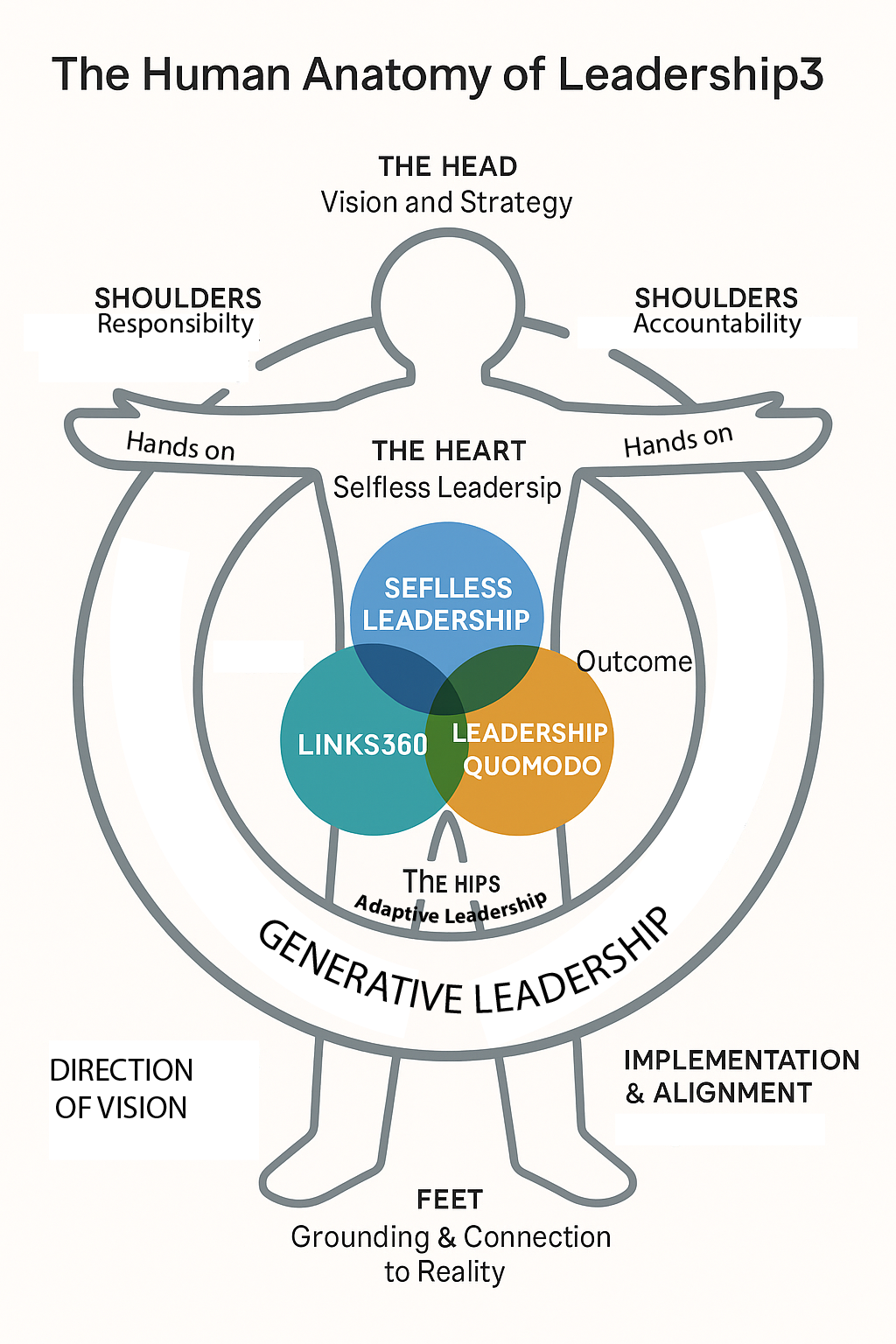
Leadership3 breaks leadership into three interrelated dimensions. Understanding these is the first step in aligning them with LINKS360 in practice:
Thinking differently about Leadership for a different future
This is custom heading element
Curabitur vulputate posuere tortor luctus vulputate. Cras laoreet pretium blandit. Vestibulum luctus laoreet lacinia. Maecenas luctus arcu ut orci lacinia ultrices. Praesent semper porta interdum. Etiam cursus, tortor at interdum rutrum, metus nibh tincidunt purus, non tincidunt odio arcu quis erat. Lorem ipsum dolor sit amet, consectetur adipiscing elit. Curabitur vulputate posuere tortor luctus vulputate. Cras laoreet pretium blandit. Vestibulum luctus laoreet lacinia.
This is custom heading element
Curabitur vulputate posuere tortor luctus vulputate. Cras laoreet pretium blandit. Vestibulum luctus laoreet lacinia. Maecenas luctus arcu ut orci lacinia ultrices. Cras laoreet pretium blandit. Vestibulum luctus laoreet lacinia.
This is custom heading element
Curabitur vulputate posuere tortor luctus vulputate. Cras laoreet pretium blandit. Vestibulum luctus laoreet lacinia. Maecenas luctus arcu ut orci lacinia ultrices. Praesent semper porta interdum. Etiam cursus, tortor at interdum rutrum, metus nibh tincidunt purus, non tincidunt odio arcu quis erat. Lorem ipsum dolor sit amet, consectetur adipiscing elit. Curabitur vulputate posuere tortor luctus vulputate. Cras laoreet pretium blandit. Vestibulum luctus laoreet lacinia.

70%
of front-line leaders want to develop their skills
Learning opportunities rank in the top five career advancement needs for the population that frontline leaderships supervise
Three Leadership capabilities for making a significant impact in business
These insights are based on the Harvard Business Publishing Corporate Learning report titled “Leadership Reframed for the Workplace of the Future: 10 Capabilities and 7 Superpowers,” which surveyed 2,361 global employees in 2023.



Six Intelligent Leadership Questions: The Compass of Selfless Leadership
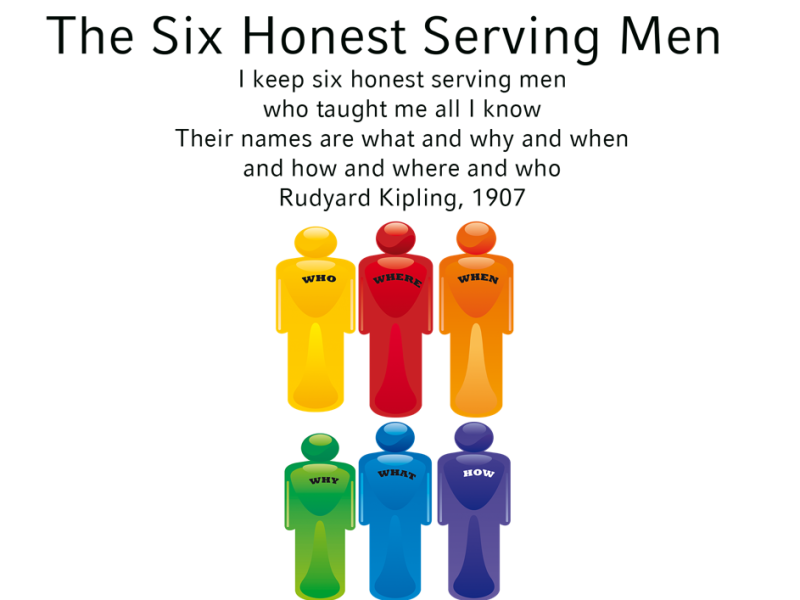
Inspired by Kipling’s timeless poem, Leadership3 embraces the six honest serving men—What, Why, When, Where, Who, and How—as Intelligent Leadership Questions. These are not just tools of inquiry, but the compass points of Selfless Leadership. They challenge leaders to shift from ego-driven command to purpose-driven service—where leadership is not a possession but a practice embedded within community and context.
Selfless Leadership: Leading with Purpose, Place, and People
The what of leadership is a shared vision; the why is the public good. Selfless leaders put collective interests before personal gain, building trust through authenticity and ethical practice. The where is everywhere—in systems, in networks, in every corner of the organization where leadership energy flows. By creating spaces—both physical and relational—for adaptive leadership, these leaders empower others to co-create solutions and steward sustainable change.
From Question to Action: The Practice of Generative Leadership.
The when is now—leadership must be agile, timely, and grounded in legacy-thinking rather than short-termism. The how is the intelligent application of methods like LINKS360®, translating vision into meaningful action through collaboration and feedback. And the who? It’s everyone, especially those closest to the problem. By asking, listening, and responding with humility and courage, selfless leaders turn every question into an opportunity for collective wisdom and generative progress.
What is your Leadership Challenge and How will you Apply in in Practice?
Six Intelligent Leadership Questions to describe Selfless Leadership
The WHAT of selfless leadership is a collective vision.
This is the first intelligent leadership question. The explicit theme and style of selfless leadership is that leadership is the property of a community and not that of an individual. Selflessness is a quality that is often lacking across most cultures and institutions, as opposed to self-centred impulses. Selfless Leadership is the central concept of the collective nature of compass leadership. It concerns leading-in-the-round.
Selfless leadership leads for all and not just the selected few or, indeed for the individual leaders’ own ego or motivations. Selfless leaders are the right people who do the right things, for the right reason, in the right way for the right people and in the right places. Accountability will be the defining foundation for assessing if selfless leaders achieve these commendable principles.
The where of leadership is everywhere!
Leadership takes place across networks within the context of complex and adaptive systems. Selfless leadership seeks to enable and empower others to engage in collective leadership through all levels of the institution or networks.
Selfless leaders should create a space for adaptive leadership activity by the creation of a holding environment. This could be either a physical or virtual space in which adaptive work can be done through relationships. Leaders can then consider both time and perspective and achieve a balance between both the strategic direction and operational activity. This is what Heifetz calls ‘getting on to the balcony’ [1].
[1] HEIFETZ, R. A. 1994. Leadership without easy answers, Cambridge, Mass. ; London, Belknap Press of Harvard University Press.
Leaders serve the public good
Leadership is purposeful in that defines the vision and how practice aims to achieve the outcomes of the vision. The individual will always be at the core of leadership practice, but it is the motivation that will drive the leader’s actions.
The purpose (or the ‘why’) of selfless leadership is that leaders put the wider interests of those who they lead above their own interests. Selfless leadership brings together a range of value-based leadership practices and theories. Although not exhaustive, this includes relational, empathic, authentic, empowering, spiritual and ethical leadership.
A selfless leader values truth across their lives and character. As such, they bring these values into their leadership. This build absolute trust with all whom they interact with.
The time for leadership is now.
The time for leadership is now! The only constant in life is change and leadership needs to be forever adaptive to the broader changes that are taking place and impacting on the operating environment. Selfless leaders are in the game for the long haul. Eventually, selfless leaders leave a lasting and positive institutional and social legacy.
They influence people by their continued leadership and demonstrable commitment to the endgame. The payback will be considerable, but this will be by means of an honoured reputation. Successful selfless leaders’ achievements will be emulated long into the future. Short term gains are important but long-term patience is a virtue. This approach will define the difference between expedient outputs and socially desirable outcomes.
[1] All is flux, nothing stays still (Heraclitus Greek philosopher)
The How question is the Modus Operandi of Leadership
The modus operandi (the means adopted) identifies and bridges the gap between the vision and the socially desired outcomes through intelligence-led approaches. Selfless leadership aims to transform the vision to achieve outcomes in a manner that is both ethical and authentic. All aspects of leadership are linked. Success will be influenced by the extent to which dynamic interactions take place.
The practice of selfless leadership is therefore supported by the process of “Leading through 360° Intelligent Networks, Knowledge and Skills.” [1]
In developing leaders our process promotes an Applied Leadership Challenge (ALC). The aim of ALCs is to align a collective vision for leading in the public interest. ALCs apply learning to practice through intelligent leadership within complex network contexts and at all levels of leadership. The process balances challenge with a climate which supports constructive dissent. Selfless leaders will welcome constructive criticism and actively promote the cultural acceptance for this alongside the feedback channels.
[1] LINKS360® is a registered trademark owned and licensed by Compass Leadership Limited and supports the frameworks and inventories outlined throughout its activities.
Those who are closest to the problem are more likely to solve them
Selfless leadership includes the importance of individual leadership development and practice but embracing and building this within the collective. The role of the selfless leader is to ask the intelligent question and then enable and empower collective others to add to this question and to come up with solutions. Those who are closest to the problem are more likely to solve them.
Having set the question, selfless leaders will first ask of themselves and their teams, the intelligent question. For example, “what is the right thing to do?” and then, “how best can we achieve this?” Achieving the outcome in a way that is consistent with shared values drives the team’s collective ambition and goals. Selfless leadership engenders trust by relinquishing control and granting freedom to every team member to take necessary action. Risk management is proportionate, and every effort is made to avoid bureaucratic obstacles and data paralysis.







I am text block. Click edit button to change this text. Lorem ipsum dolor sit amet, consectetur adipiscing elit. Ut elit tellus, luctus nec ullamcorper mattis, pulvinar dapibus leo.